
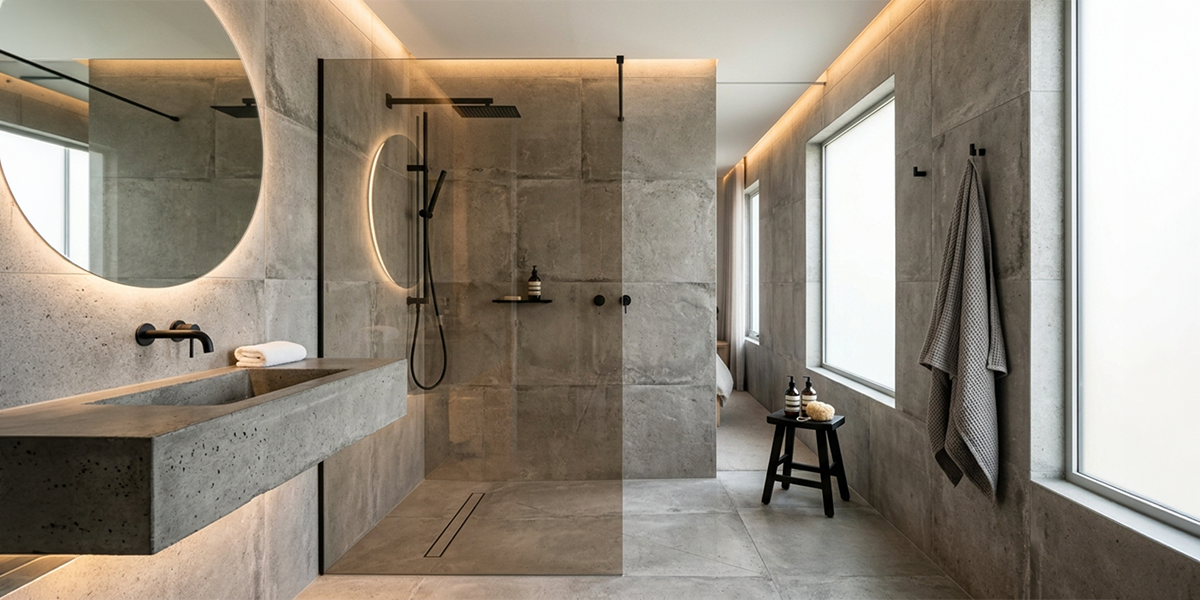

Bathroom renovation company in Dubai projects are moving beyond the usual tiles, marble, and painted surfaces. Homeowners are looking for finishes that feel modern, clean, and practical. Microcement is one material that has gained attention for this reason. It creates a smooth surface with very few visible joints. It can give a bathroom a simple and refined appearance without making the room feel overly decorated.
Microcement is a cement-based decorative finish. It is applied in thin layers over a properly prepared surface. It can be used on walls, floors, vanity areas, and selected features. Its continuous appearance makes it suitable for modern bathrooms where a clean finish is important.
What Is Microcement?
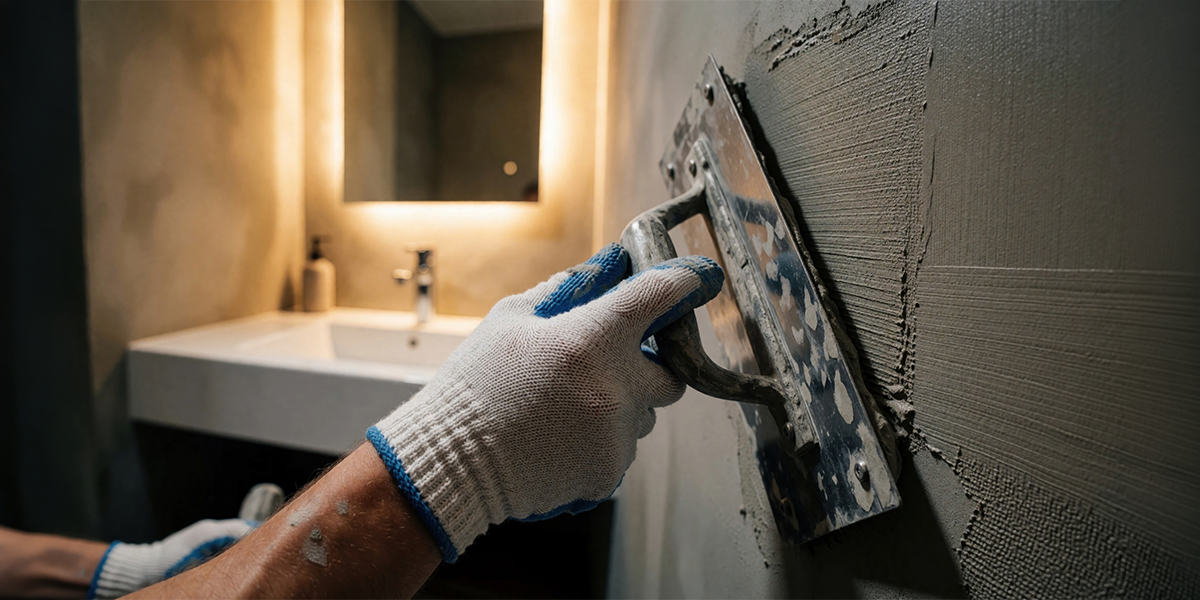
Microcement is a thin decorative coating made from cement-based materials and other components. It is applied in several layers rather than as a single thick coating. The final surface can have different colours and textures depending on the product and application method.
Unlike conventional tiles, microcement does not rely on rows of separate pieces. This creates a more continuous appearance across the surface. The result can look simple without feeling plain.
It is also flexible from a design point of view. Soft shades can create a calm bathroom. Darker colours can give the room more depth. Warmer tones can make the finish feel less cold.
The final appearance depends on more than the material itself. Surface preparation, application, sealing, and workmanship all have an important role.
Why Are Homeowners Considering Microcement?
Microcement does not need to produce a factory-style bathroom; microcement can be used in combination with warm wood-like finishes, natural stone, glass, metalwork, and sanitary ware.
Microcement also serves as a neutral backdrop. This enables other items to feature without being in competition with an overly busy wall or floor finish.
How a Bathroom Renovation Company in Dubai Can Use Microcement
Microcement can be used in many places in a bathroom. But each place must be analyzed before using microcement. The surface should be stable, clean, and ready. Common applications include:
- Bathroom walls where a continuous finish is preferred.
- Shower walls with suitable waterproofing beneath the finish.
- Bathroom floors with an appropriate slip-resistant system.
- Vanity walls and surrounding areas.
- Feature sections behind a basin or mirror.
Use Microcement for a Soothing Effect
It is important not to overlook grout lines when installing tiles in the bathroom. While these elements bring order and structure to the space, in a small bathroom, they can also bring chaos.
The advantage of microcement lies in its lack of lines. There is nothing in this material that will distract your eye and take you from one element to another. The continuous appearance of the walls and floor can create a more relaxing feel. The smoothness of the surface is not a guarantee of monotony in the bathroom interior. It can be achieved thanks to the shape of the vanity unit, the mirror, the faucet fixtures, or the change of material.
It all depends on the harmony of elements of the bathroom interior. The presence of too many patterns on the surface makes the room chaotic.
Is Microcement Suitable for Wet Areas?
Can you use microcement in a bathroom? Yes. Can it be your waterproofing? No, and this is where people get caught out. Microcement is the pretty layer. A shortcut there will come back to bite you.
And please look at the surface you’re starting with. Cracks, movement, damp patches, damaged spots: fix them first. Covering a problem with a nice finish doesn’t make it go away. It just hides it until it gets worse.
A suitable installation should include:
- Careful surface preparation.
- Appropriate waterproofing.
- Suitable primer and base layers.
- Correct application of the microcement system.
- Proper treatment around corners and edges.
- A suitable protective sealer.
- Adequate curing time.
These steps should not be rushed. A good-looking finish depends on what happens underneath it as well as on the final coating.
Where Microcement May Not Be the Best Choice
Microcement has several benefits, but it is not suitable for every project. The material should be selected after considering the condition of the bathroom and the desired result.
It may not be the right option when:
- The existing surface has unresolved cracks or movement.
- There are moisture problems that have not been corrected.
- The homeowner wants a traditional tile pattern.
- A highly decorative wall design is required.
- The installer does not have suitable experience.
- The chosen system is not designed for the intended application.
Here’s something worth knowing before you commit: microcement isn’t a quick, paint-style finish. It takes several stages of prep and application to get right.
Choosing the Right Colour and Texture
Colour changes everything in a microcement bathroom. Seriously, everything. Go light, and the room opens up. It feels calm, almost quiet. Warm shades of beige and earthy tones create a more comfortable bathroom. The grey colour? It’s your modern choice of colour – not too cold but certainly neat.
Don’t overlook dark tones, though. These colours are deep, adding contrast with lighter coloured fittings. However, one has to take into account the room as a whole. Using a dark colour in an undefined room creates heaviness in the environment.
Then there’s texture. A very smooth finish looks refined, almost polished. A slightly textured one gives your eye something to wander over, which can be a lot more interesting than it sounds.
Check it in all three. Viewing the actual sample in the bathroom is more reliable than choosing only from a small screen image.
Microcement and Traditional Tiles
Tiles make sense when the design leans on bold patterns, crisp borders, or pieces you can swap out later if one cracks. Microcement may suit homeowners who want:
- A simple and seamless appearance.
- Fewer visible grout lines.
- A modern surface.
- Flexible colour options.
- A quieter visual style.
Traditional tiles may suit homeowners who prefer:
- Decorative patterns.
- Different tile shapes.
- Strong colour combinations.
- Clearly defined layouts.
- Individual tile replacement.
The choice should be based on the bathroom rather than on which material is currently popular.
Maintenance Should Be Considered
But even microcement requires certain care. The first thing you should be careful about is the cleaning agents.
Choose cleaning agents according to the surface and coating to avoid accidental damage. Secondly, water can cause trouble. Ventilation will prevent moisture from appearing in the bathroom, while leaking spots must be fixed as soon as possible regardless of what coating is applied.
And thirdly, there is the sealer that provides protection to the surface. Luckily enough, the care does not require a lot of effort once you find the proper products.
The quality of the surface mainly depends on the installation process. Sometimes home renovation companies in Dubai deal with many jobs at once if the bathroom has to be renovated.
What to Ask Before Choosing Microcement
Before you sign off on the material, ask some practical questions. The answers will show you what you’re actually paying for, and what the finished bathroom will need from you down the line. Consider asking:
- What preparation does the existing surface need?
- Which areas can safely receive the finish?
- What waterproofing system will be used?
- Which sealer is recommended?
- How long will the complete process take?
- What cleaning products are suitable?
- What maintenance will the finished surface require?
Its simple appearance can help make a small bathroom feel more spacious. For example, an apartment renovation company Dubai may recommend it since its simple nature will help keep the room neat, while the reduction in patterns will calm down the space.
When Renovation Services Need Careful Material Planning
Choosing bathroom materials before any work starts is a game‑changer. It lets the crew see how each finish will meet at corners, on floors, walls, shower stalls, and vanity sections, no surprises later on.
Renovation services in Dubai aren’t a single step; they usually roll through demolition, plumbing, waterproofing, electrical work, surface prep, finishing, and finally the fixture install.
Microcement has to slip into that flow at just the right moment. If you slap it on too early or skip proper preparation you’ll end up wrestling preventable issues.
A solid plan also makes it a breeze to line up colours, textures, fittings and all the other finishes you’ve dreamed about.
Villas play by different rules. A villa renovation company will often fold it into a larger bathroom scheme, where several materials have to get along. With more room to experiment, you can pair microcement with stone, wood-look finishes, glass, or metal.
Is Microcement a Good Choice for a Modern Bathroom?
Microcement can be a solid pick when you’re chasing a sleek, continuous finish that doesn’t scream “plaster‑in‑the‑making.” It offers a fresh look that’s far different from classic tiles and meshes well with a range of modern materials.
Still, it isn’t a silver bullet for every project. The condition of the surface, the level of water exposure, the quality of the installation, the maintenance it requires, and the look you’re after all need to line up. Ultimately, the best material is the one that fits the space and holds up in daily use.
If you’re comparing renovation services Dubai, don’t choose photos alone. Colour and texture matter, but so does everything you can’t see once the job is finished.
Conclusion
When you renovate a bathroom, looks are only part of the job. The room gets steam every morning and water on the floor most days, so the walls have to hold up to that.
Microcement can look great on bathroom walls. It gives a smooth, modern finish with no grout lines. But the result depends on how well the surface is prepared, how the waterproofing is done, how the material is applied, and how it’s maintained. If one of those is done badly, you’ll see it. A good bathroom renovation company in Dubai will come and look at the room before recommending anything, and if microcement doesn’t suit it, they should say so.
Microcement has been around long enough that it’s no passing trend. It also has limits, like any material. If those limits fit how your bathroom is used, you’ll get a finish that looks good and doesn’t take much effort to live with.
Bluebolt renovation company can help you choose and plan the right microcement finish for your bathroom.