
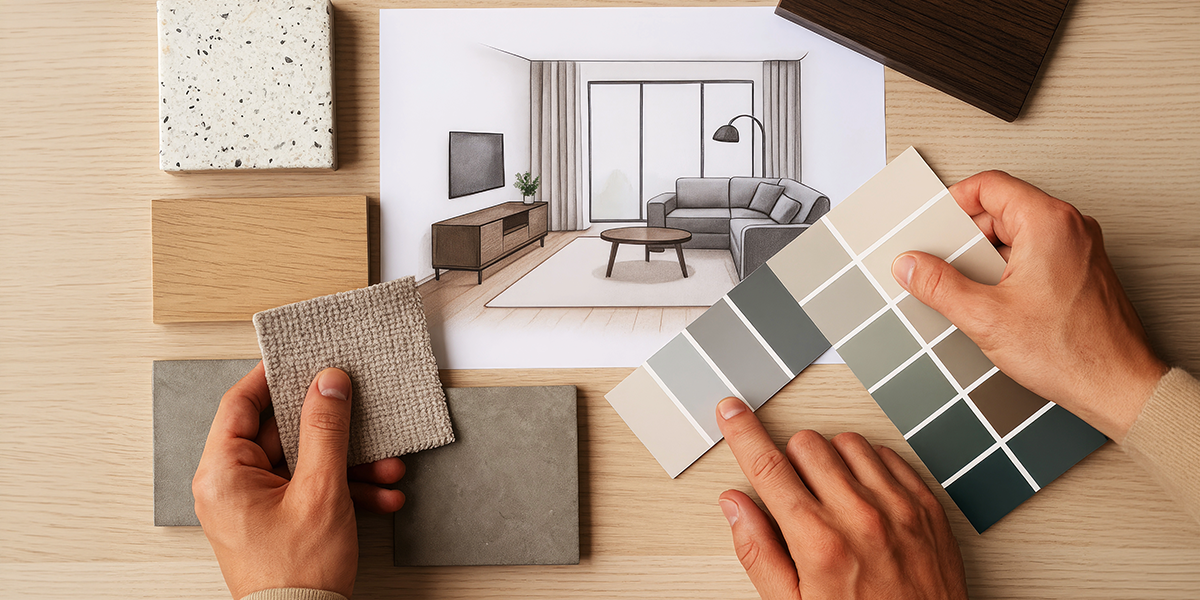

House renovation Dubai projects demand careful material selection because the local climate places constant stress on every surface. Extreme heat, high humidity, fine dust, and strong sunlight can shorten the life of ordinary finishes. The right choices protect the structure, reduce maintenance, and keep interiors comfortable for years. Homeowners who plan materials early avoid premature wear and higher long-term costs.
The climate presents clear challenges. Summer temperatures regularly exceed forty degrees. Humidity rises sharply in coastal areas. Dust storms deposit fine particles that scratch surfaces. Intense ultraviolet light fades colours and breaks down weaker coatings. Materials must resist these forces without constant repair. A well-chosen finish stays stable through temperature swings between day and night. It also limits moisture absorption that leads to swelling or mould.
Understanding Climate Stress on Common Surfaces
Every material reacts differently to heat and moisture. Soft woods expand and contract. Standard paints blister under prolonged sun. Cheap tiles crack when the base expands. Quality products counter these effects through density, sealing, and specialised composition. Professionals from home renovation companies assess exposure levels before recommending options. They match each product to the specific conditions of the room or exterior wall.
High-performance materials share several traits. They remain dimensionally stable. They reject water. They hold colour under ultraviolet light. They clean easily after dust storms. Selecting products with proven resistance saves money over time. Homeowners benefit most when they view material choice as a long-term decision rather than a short-term style preference. Surfaces that perform well under daily climate pressure reduce the need for frequent touch-ups and keep the home looking consistent season after season.
Flooring Choices That Withstand Heat and Foot Traffic
Flooring takes the heaviest daily load. It must handle thermal expansion, cleaning moisture, and abrasive dust.
- Porcelain tiles offer high density and almost zero water absorption. They stay cool underfoot and resist fading.
- Large-format ceramic tiles reduce grout lines and limit dirt collection. Choose products rated for outdoor or high-traffic use.
- Engineered stone composites provide the look of natural materials with better humidity stability.
- Luxury vinyl planks with strong wear layers work well in bedrooms when the core is waterproof.
- Avoid solid untreated timber in ground-floor areas. It moves too much with moisture changes.
These options keep floors looking sharp while limiting movement that cracks adjoining walls. An experienced apartment renovation company often specifies porcelain for main living zones because of its proven record in hot climates. Additional consideration goes to underfloor preparation. A stable, level substrate prevents stress cracks later. Moisture barriers beneath the finish further protect against rising damp in ground-level spaces. Selecting the correct adhesive and grout completes the system and ensures the floor performs as a single unit rather than separate components that fail independently.
Wall Finishes and Coatings Built for Humidity
Wash walls regularly, or they can become damaged. Walls are constantly exposed to air conditioning and humidity. Mould can develop, causing discolouration, bubbling, and peeling. Using the right primer and finish can help protect the walls.
Wall preparation is also important. The wall must be clean, dry, and stable before applying paint or coating. Skipping this step can shorten the life of even a good-quality product. Rooms with high humidity need good ventilation. This helps the finish last longer. Using the right product and applying it correctly helps keep walls clean, dry, and attractive for years.
Windows, Doors and External Elements for Sun Protection
The harshest sun hits external surfaces. Aluminium window frames with thermal breaks cut heat transmission from outside. Powder-coated protection inhibits corrosion and fading. Double-glazed units with Low-E coating minimise solar heat gain.
All timber or composite doors require a marine-grade coating to prevent moisture infiltration. Add yet another level of protection against the sun and dust with shutters or external screens.
These components lower cooling loads and protect interior finishes. A villa renovation company typically prioritises thermal performance in larger properties where glass areas are extensive.
Insulation and Core Construction Materials
Rockwool insulation is designed to reduce the demands placed on air conditioners. Rigid foam board and reflective foil systems are suitable for use at high temperatures. They won’t settle, so their R-value can be sustained.
For roofs, lightweight insulated panel systems reduce heat gain. Closed-cell foam helps insulate wall cavities and also provides a vapour barrier that prevents condensation on finishes.
Structural elements such as treated steel or high-quality concrete remain stable. Sealants and expansion joints must accommodate movement caused by daily temperature cycles. Proper detailing at junctions prevents water ingress during rare but intense rain events.
Key Considerations in House Renovation Dubai Projects
A successful house restoration involves making thoughtful material choices according to the climate and lifestyle. Areas with lots of activity should have a more durable finish. Waterproofing should be continuous in a bathroom or kitchen. External walls need a UV-resistant finish.
Foremen consider building orientation, wind, and existing structure; they create a list of building materials ranked by durability, look, and price.
Renovation services in Dubai teams often source products tested under local conditions. They verify certifications for heat resistance, water absorption, and colour fastness. This step removes guesswork. Homeowners receive clear data on expected service life and maintenance intervals. The result is a property that stays functional and attractive without frequent intervention. Documenting every product choice also helps with future maintenance. When a surface eventually needs attention, the original specification provides a clear reference for matching or upgrading.
Coordination Across Trades and Finishes
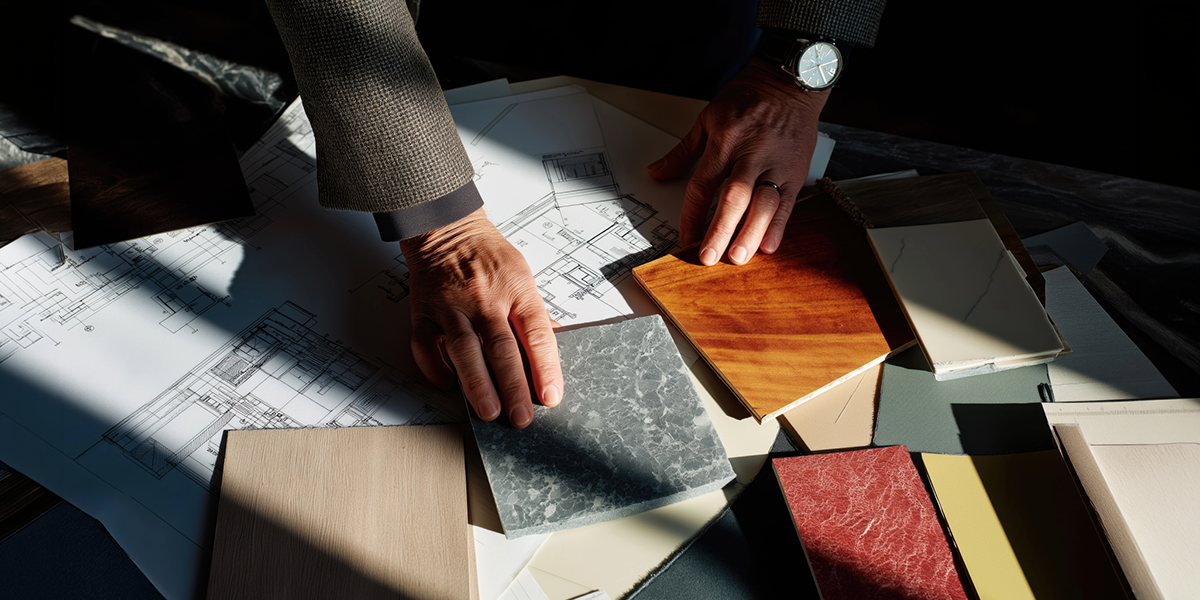
Materials interact. Floor tiles expand against wall finishes. Window frames meet plaster. Waterproof membranes join drainage systems. Poor coordination creates weak points. A single point of responsibility reduces these risks. Best renovation company Dubai projects usually include a full material matrix reviewed by all trades before installation begins. This matrix lists product codes, installation methods, and junction details. It prevents incompatible products from meeting on site.
Home renovation services also consider future maintenance access. Consideration is given to noise and dust contamination both during and after work. Service panel cost, cleanable surfaces, and replacement parts ensure long-term predictability of maintenance costs.
Work should be scheduled in an order that prevents damage to existing work during the construction process. Work that is installed too early in the process can be susceptible to damage from subsequent trades. A programme that takes into account the time for finishes to dry, cure, and be protected will maintain quality.
Balancing Appearance with Practical Performance
Clients often prioritise colour and texture. These choices remain important, yet climate performance must come first. Light colours reflect heat and are cooler to the touch. Matte textures conceal fine dust better than high gloss. Natural stone is possible if it is properly sealed and used in low-porosity applications. Reconstituted materials can give uniformity and easier sourcing. What is wanted is an all-over, confident, calm, sophisticated interior that is hardwearing.
Renovation services Dubai specialists present samples under both natural and artificial light. They explain how each option behaves after months of exposure. This transparent process builds confidence and avoids later disappointment. Sample boards left on site for several days allow homeowners to observe real-world colour shifts and texture behaviour. This simple step often reveals preferences that studio lighting cannot show and leads to more satisfying final selections.
Working with Specialists Who Understand Local Conditions
Experience with the regional climate separates average results from lasting ones. Teams that complete many projects know which products perform after five or ten years. They maintain relationships with suppliers who stock climate-rated goods. They also understand approval processes and site logistics.
Best renovation company in Dubai partners usually provide detailed warranties on both labour and materials. These documents specify the conditions under which the guarantee remains valid. Clear documentation protects the homeowner and encourages correct installation practices. Ongoing communication during the project ensures that any site conditions requiring adjustment are addressed promptly. This collaborative approach keeps the material strategy intact from start to finish.
Practical Steps for Selecting and Approving Materials
What’s the solution? A methodical selection process can lead to better results. First, identify all rooms of the house and record the amount of heat, dampness and traffic they are likely to receive. Second, create a short list of products that will do the job.
Collect technical data sheets and third-party test reports where possible. Consider the look of the product, possible colour options and differences in installation, curing and care times. Check availability and lead times to keep construction timelines reasonable.
Site trials of key products can provide additional reassurance. Small test areas allow observation of adhesion, colour and handling under actual conditions. Any issues identified at this stage can be resolved before full installation begins. This measured approach reduces the risk of costly changes later and builds confidence in the final material palette.
Avoiding Common Material Selection Mistakes
Several recurring errors reduce the effectiveness of otherwise good projects. Choosing products solely on initial cost often leads to earlier replacement. Ignoring orientation and exposure levels results in premature fading or movement. Failing to coordinate finishes across adjacent areas creates weak junctions. Disregarding the installation quality can damage premium products. Acting on these points in advance will help you save your budget and protect the outcome.
Another thing to consider is a thorough analysis of previous projects. Items that have been shown to deliver in the same environment will instill more confidence than untested options. When used together with good detailing, proven choices give an end result that holds up to long-term exposure to the local climate, while home renovation companies in Dubai that maintain quality control minimize the risk of material substitutions.
Long-Term Maintenance Considerations
Nothing is completely resistant, even the most durable materials. Simple maintenance prolongs service life. Dust off regularly to prevent sharp grains from being ground in. Remove liquids immediately to avoid etching the sealant and coating.
Check external linings and junctions regularly for movement. Keep a record of all products used and recommended cleaning routines for easy reference.
In this case, when maintenance is accounted for during specification, the home continues to perform smoothly and reliably, with no surprises. Owners who are aware of how to treat their selected materials and products are more satisfied, with lower lifetime costs and more long-term success, given good technical support at handover.
Conclusion
For a successful house renovation Dubai, the key is to select materials based on how they will perform in our climate – not how they will look when first installed. Every part of the house is exposed to heat, humidity, dirt, and sun each day. Floors, wall finishes, windows, insulation, and exterior finishes all have to withstand those conditions. The investment in suitable products pays returns through lower maintenance and higher property resilience.
BlueBolt renovation company delivers climate-ready material solutions.